I Stopped Using Modern Bibles for This Reason | 1685 King James
gclmedia
teaching
5,017 viewsApril 29, 2026
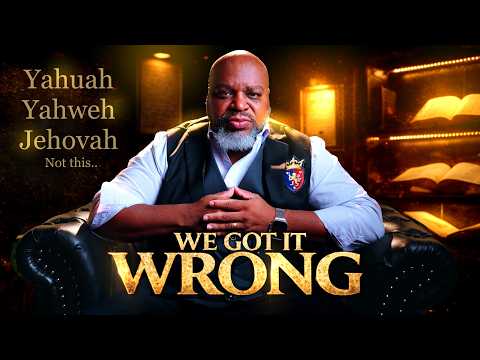
The #1 question I get asked in the comments is: “Why do you use the 1685 King James Bible?”
In a world where most people choose between modern dynamic-equivalence translations or the standard 1769 Blayney revision, I stand with a massive, leather-bound volume from the late 17th century. To the casual observer, it looks like a museum piece. But to me, it is a living, breathing testament to the preservation of the Word of God.
In this video, I pull back the curtain on why this specific edition is my go-to anchor for study. We examine the facts sitting right on the table—the transition from Gothic to Roman type, the myth of “thousands of changes” in the Bible, and why the 1685 represents a pinnacle of English printing before the “modernization” of 1769.
In this deep dive, we cover:
The Typography Shift: Why I moved away from the 1611’s Gothic print to the 1685—the first printing of the King James Bible produced during the reign of King James II to be set in clean Roman type.
Proving Continuity: How I use this 340-year-old witness to refute the claim that the Bible has been "rewritten" or radically changed.
The Marginal Cross-References: Exploring the robust roadmap of Scripture interpreting Scripture that has been lost in many modern editions.
The Pre-Blayney Era: Why the 1685 retains a weight and "grit" that was polished away in later 18th-century revisions.
The Apocrypha: Understanding its historical role as a bridge between the Testaments and why its inclusion in the 1685 is a matter of historical integrity.
GET THE 1611 AUDIT:
If you want to stop guessing and start seeing the Bible through the eyes of the men who actually translated it, you need the roadmap I’ve built. I performed a full, systematic audit of the 1611 cross-references to show you exactly where the New Testament 'echoes' the language and history of the intertestamental period.
I call it The 1611 Audit: New Testament Echoes of the Apocrypha. You can download this document right now at gclmedia.org. Don't let a modern publisher’s decision to save on printing costs rob you of the depth of your study. Get the facts for yourself at gclmedia.org
About the Channel:
My name is G.C. Lewis, Sr. and I don’t just talk about the Bible as a matter of opinion; my approach is rooted in primary source evidence. Having spent over 20 years handling these physical artifacts and comparing editions line-by-line, I’ve moved away from modern texts to prove one thing: Biblical Continuity.
When I hold a modern text, skeptics see an opinion. When I held my 1791, they said it wasn't old enough. But when I pull out the 1685, mouths drop and ears tune in. I believe that when the facts of history are sitting right in front of you in 17th-century ink, the debate shifts from theory to reality.
Timestamps/Chapters
0:00 - Proving Biblical Continuity: The 1685 KJV
1:08 - Why I Use a 340-Year-Old Bible
1:32 - 20 Years of Primary Source Evidence
2:52 - 1611 vs. 1769: Finding the "Sweet Spot"
3:27 - Why I Moved Away from Post-Blayney Bibles
5:26 - The Gothic Hurdle: Readability Challenges of 1611
6:47 - 1582 vs. 1685: Spelling & Typeface Evolutions
7:08 - King James II: The Landmark Roman Type Font
8:43 - Debunking the Myth of "Thousands of Changes"
10:38 - Marginal Cross-References: The Lost Road Map
12:13 - Pre-Blayney: The KJV in its Prime
13:31 - Correcting Omissions (1 John 5:12)
15:03 - The Apocrypha: A Historical Misconception
16:44 - 3 Reasons the Apocrypha Belongs in Your Bible
17:22 - Intertestamental Echoes: John 10:22 & Hanukkah
19:17 - Clarity Without Compromise: The Standard of Truth
Connect with me:
Scripture
1 John1 John 51 John 5:12JohnJohn 10John 10:22
Topics
kjvking james bible1685 kjv1611 kjvbible historybiblical continuityking james iibenjamin blayneybible translationmanuscript evidence